

How to Spot Warning Signs of Engine Trouble: Tips from Las Vegas Mobile Mechanics
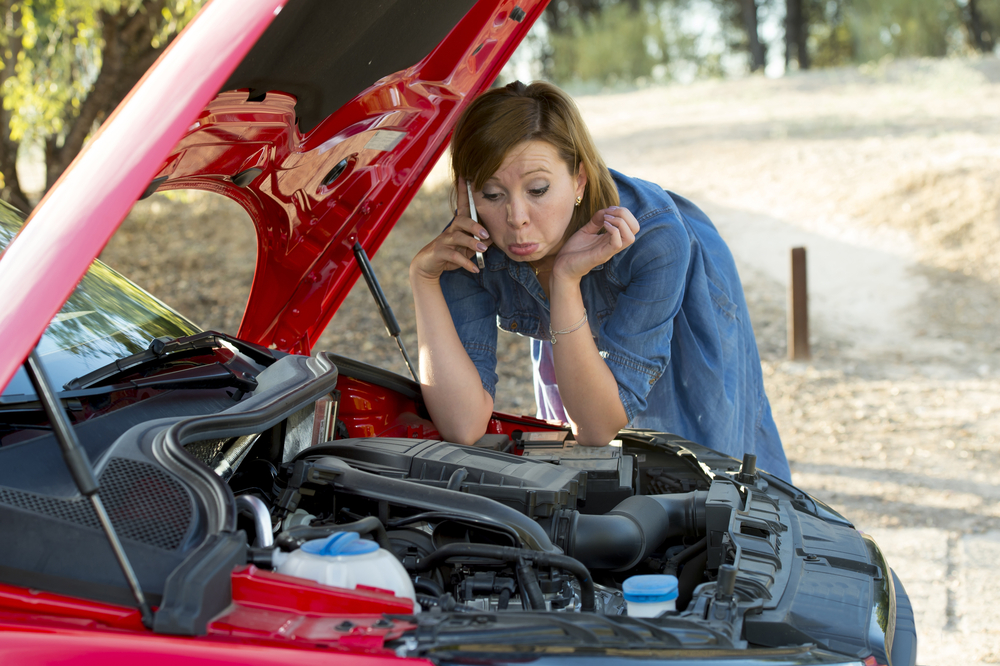
If your vehicle starts acting differently during a drive across Las Vegas, it is easy to hope the problem will go away on its own. Unfortunately, engine problems rarely fix themselves. The combination of extreme desert heat, stop-and-go traffic on Interstate 15, and long commutes throughout the Las Vegas Valley can quickly turn a small issue into an expensive repair.
Quick Answer
The most common warning signs of engine trouble include unusual noises, dashboard warning lights, rough idling, poor acceleration, excessive exhaust smoke, overheating, and fluid leaks. Recognizing these symptoms early allows drivers to address problems before they become major repairs or leave them stranded.
What Local Drivers Should Know
-
High summer temperatures throughout the Las Vegas Valley place additional stress on engines and cooling systems.
-
Dust from surrounding desert areas can clog air filters and reduce engine performance if maintenance is delayed.
-
Stop-and-go traffic along the Las Vegas Strip and major corridors increases engine temperatures and wear.
-
Regular inspections can often identify small problems before they become costly engine repairs.
-
Ignoring warning lights can lead to breakdowns that are much more expensive than early maintenance.
Why This Matters Locally
Engine reliability is especially important for drivers throughout Las Vegas because vehicles operate in one of the hottest climates in the country. Long periods of idling, frequent air conditioning use, and extreme pavement temperatures all increase the workload placed on an engine.
Drivers commuting between Summerlin, Henderson, North Las Vegas, Paradise, and Downtown Las Vegas often spend significant time in traffic. During the summer, cooling systems and engine components are pushed much harder than they would be in milder climates.
At Mobile Mechanics Las Vegas, we regularly help local drivers identify engine issues before they become roadside emergencies. Our goal is to bring professional diagnostics directly to your location while helping you understand what your vehicle is telling you.
Local Data and Field Observations
Professional field observations consistently show that overheating, cooling system failures, worn ignition components, clogged air filters, and neglected fluid maintenance are among the most common engine-related concerns for vehicles operating in Southern Nevada.
The area’s intense heat accelerates wear on rubber hoses, belts, seals, batteries, and cooling system components. Vehicles that receive regular inspections often avoid the larger repairs that result from prolonged overheating or neglected warning signs.
Local Impact
Engine problems affect more than vehicle performance. For Las Vegas residents, an unexpected breakdown can interrupt work, family schedules, or travel plans while exposing drivers to dangerous desert temperatures.
Business owners who depend on work vehicles can also experience lost productivity when engine issues force vehicles out of service unexpectedly. Early diagnosis often reduces downtime while preventing additional component damage.
Warning Signs of Engine Trouble
The most common warning signs of engine trouble are usually noticeable long before complete engine failure occurs.
1. Check Engine Light
A check engine light is one of the earliest indicators that something requires attention. While the cause may be relatively minor, it can also signal more significant mechanical or emissions-related problems.
2. Rough Idling
If your engine shakes, vibrates, or runs unevenly while stopped, it may indicate ignition problems, fuel delivery issues, vacuum leaks, or sensor failures.
3. Poor Acceleration
An engine that hesitates or struggles to gain speed may be experiencing fuel system problems, airflow restrictions, ignition issues, or transmission-related concerns.
4. Unusual Engine Noises
Knocking, ticking, grinding, or loud rattling noises should never be ignored. These sounds often indicate internal engine wear or components that require immediate inspection.
5. Excessive Exhaust Smoke
Blue, white, or black exhaust smoke can indicate oil burning, coolant leaks, or fuel mixture problems that require professional diagnosis.
6. Engine Overheating
If the temperature gauge climbs higher than normal or steam appears from under the hood, the engine may be overheating due to cooling system problems.
7. Fluid Leaks
Oil, coolant, or other engine fluids collecting beneath your vehicle can indicate failing seals, hoses, or gaskets.
When to Call a Professional
Engine warning signs should be evaluated promptly whenever they appear consistently or worsen over time.
Drivers can safely monitor fluid levels, dashboard gauges, and visible leaks. However, persistent warning lights, overheating, unusual noises, or repeated stalling should be inspected by a qualified mechanic.
In Las Vegas, delaying engine repairs during the hottest months increases the risk of severe overheating and additional engine damage.
Common Local Causes
Several local conditions contribute to engine problems throughout Southern Nevada.
Extreme Heat
High temperatures place continuous stress on cooling systems, engine oil, and electronic components.
Dust and Sand
Desert dust can clog engine air filters and reduce airflow, decreasing performance and fuel efficiency.
Heavy Traffic
Frequent stop-and-go driving generates additional engine heat while reducing airflow through the radiator.
Aging Cooling Systems
Radiators, hoses, water pumps, and thermostats naturally wear over time. Heat accelerates that aging process.
Delayed Maintenance
Skipping oil changes, coolant service, or filter replacements often leads to preventable engine wear.
Prevention and Maintenance
Preventing engine trouble starts with routine maintenance.
Regular oil changes help reduce internal engine wear while maintaining proper lubrication during extreme temperatures.
Cooling system inspections before summer can identify worn hoses, low coolant levels, or failing components before they cause overheating.
Air filters should be inspected regularly due to the dusty environment found throughout Clark County.
Drivers should also pay attention to dashboard warning lights instead of postponing inspections.
Expected Results
Routine maintenance and early diagnostics often improve engine performance, fuel efficiency, and long-term reliability.
When problems are identified early, repairs are typically less extensive than those involving overheating or internal engine damage. While every repair depends on the specific issue, prompt attention generally reduces both repair costs and downtime.
Common Mistakes
Mistake: Ignoring the check engine light.
Consequence: Small problems can develop into expensive repairs.
Better Approach: Schedule diagnostic testing as soon as the warning light appears.
Mistake: Continuing to drive an overheating vehicle.
Consequence: Severe engine damage may occur.
Better Approach: Stop driving safely and have the vehicle inspected immediately.
Mistake: Delaying oil changes.
Consequence: Increased engine wear and reduced lubrication.
Better Approach: Follow your manufacturer’s recommended maintenance schedule.
Common Local Scenario
A driver commuting between Henderson and Downtown Las Vegas notices the engine temperature gradually rising during afternoon traffic. At first, the issue only occurs during extended stops, but over several weeks the vehicle begins overheating more frequently.
An inspection reveals a deteriorating radiator hose and low coolant level. Addressing the issue early prevents significantly more expensive engine repairs that could have resulted from repeated overheating.
Related Service Solutions
Engine warning signs can often be addressed through services such as:
-
Engine diagnostics
-
Cooling system inspections
-
Battery testing
-
Alternator testing
-
Starter diagnosis
-
Spark plug replacement
-
Oil and fluid inspections
-
Fuel system diagnostics
Comparing Your Options
| DIY Monitoring | Professional Inspection |
|---|---|
| Check fluid levels | Diagnose warning lights |
| Watch temperature gauge | Perform engine scans |
| Look for visible leaks | Test sensors and components |
| Listen for unusual sounds | Identify internal engine issues |
| Monitor performance changes | Recommend appropriate repairs |
Service Areas
We proudly serve drivers throughout Las Vegas as well as Henderson, North Las Vegas, Paradise, Spring Valley, Summerlin, and surrounding communities across the Las Vegas Valley.
Our mobile service allows us to bring professional engine diagnostics directly to your location whenever possible.
Cost of Ignoring the Issue
Ignoring engine warning signs often leads to larger repairs, higher costs, and unexpected breakdowns.
Problems that begin as minor sensor failures, cooling system leaks, or ignition issues may eventually cause overheating or internal engine damage if left unresolved.
Frequently Asked Questions
How quickly should I respond to a check engine light in Las Vegas?
Yes. A check engine light should be inspected as soon as practical. While some causes are minor, others can become more serious if ignored, especially during periods of extreme Las Vegas heat.
Can desert heat damage my engine?
Yes. High temperatures increase stress on cooling systems, engine oil, hoses, and other components. Proper maintenance helps reduce heat-related failures.
Why does my engine overheat in traffic around the Las Vegas Strip?
Heavy traffic limits airflow through the radiator while the engine continues producing heat. Cooling system problems often become more noticeable under these conditions.
Is rough idling always a serious problem?
Not always. Rough idling may result from spark plugs, sensors, vacuum leaks, or fuel delivery issues. A proper inspection determines the exact cause.
Should I continue driving if my engine starts knocking?
No. Engine knocking may indicate internal mechanical problems that can worsen quickly if the vehicle continues operating.
How often should drivers in Southern Nevada inspect their cooling systems?
Regular cooling system inspections before peak summer temperatures are a smart preventive measure. Following your vehicle manufacturer’s maintenance schedule is also recommended.
Can mobile mechanics diagnose engine problems?
Yes. Many engine diagnostics, inspections, and common repairs can be performed by experienced mobile mechanics at your home, workplace, or another convenient location.
Does desert dust affect engine performance?
Yes. Dust can restrict airflow by clogging engine air filters, reducing efficiency and performance if filters are not replaced regularly.
Closing
Recognizing the early warning signs of engine trouble can help you avoid expensive repairs, unexpected breakdowns, and unnecessary stress. Paying attention to changes in your vehicle’s performance allows problems to be diagnosed before they become much larger issues.
Get Trusted Mobile Engine Diagnostics in Las Vegas
Keep your vehicle running reliably with professional engine diagnostics brought directly to you.