

Las Vegas Weather and Its Effects on Brake System Performance
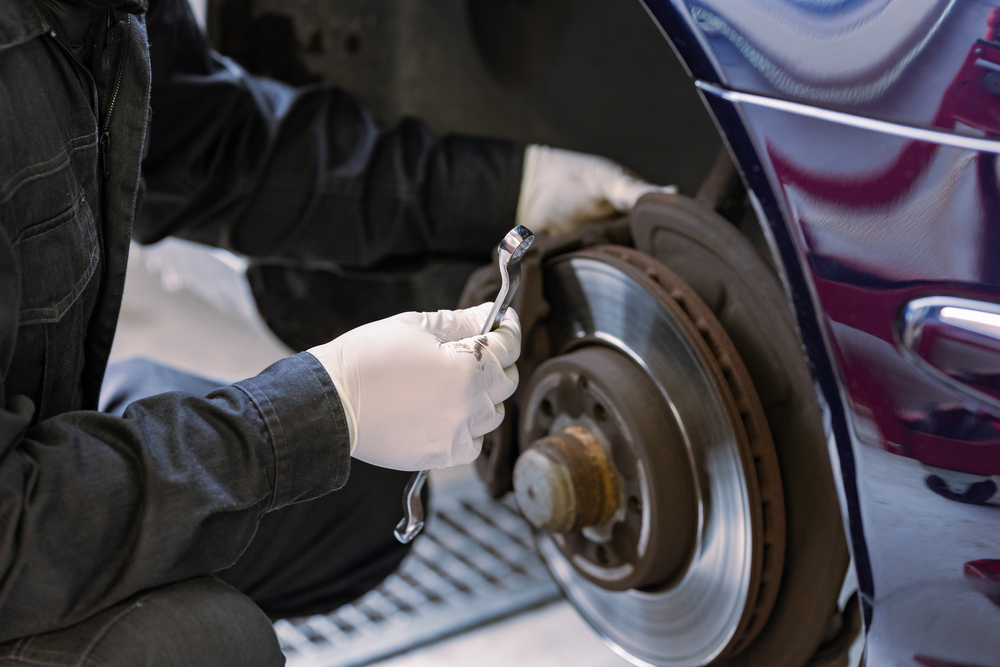
For drivers navigating the Las Vegas Valley, understanding how the local climate affects your car is not just useful knowledge; it can be a matter of safety. One of the most overlooked areas of car care in desert weather is the brake system. Your brakes are your vehicle’s most critical safety component, and the Las Vegas environment puts them through a unique kind of stress that deserves serious attention.
How Extreme Heat Affects Your Brake System
The most obvious and persistent climate effect on vehicles in Las Vegas is the heat. Summer temperatures routinely climb above 110 degrees Fahrenheit, and the asphalt itself can reach temperatures well beyond that. This intense heat has a direct and measurable weather impact on brakes in NV that drivers should not underestimate.
Brake systems generate friction to slow your vehicle, and friction generates heat. Under normal driving conditions in a cooler climate, this heat dissipates relatively quickly. In Las Vegas, however, the ambient temperature is already elevated, which means your brakes have less thermal differential to work with. The heat has nowhere to go as efficiently. Over time, this leads to a condition known as brake fade, where the braking components lose their effectiveness because they cannot cool down between uses.
Brake fluid is also vulnerable to extreme heat. Most standard brake fluid has a boiling point that, while adequate for typical climates, can be pushed closer to its limits in the Las Vegas summer. When brake fluid boils, it creates vapor bubbles in the lines, and vapor does not compress the way fluid does. The result is a soft or spongy brake pedal and reduced stopping power. For drivers who frequently travel along sloped roads or who commute during peak afternoon heat, this is a real and present danger.
Brake pads themselves can also suffer in high heat environments. Certain pad compounds are not formulated for sustained high-temperature exposure. Over time, the resin binding the friction material can degrade, causing the pad to glaze over and lose its grip. Car care in desert weather means paying close attention to the type of brake pads installed on your vehicle and ensuring they are rated for high-heat conditions.
The Role of Dry Air and Dust in Brake Wear
Beyond the heat itself, the arid conditions of the Mojave Desert introduce another layer of complexity for your brake system. Las Vegas receives an average of just over four inches of rain per year, making it one of the driest major cities in the United States. That dryness, combined with dusty air and frequent windstorms, creates an environment where abrasive particles find their way into nearly every component of your vehicle.
Brake components are particularly susceptible. Dust and fine grit can accumulate inside the brake assembly, accelerating wear on rotors and pads. In a wetter climate, rain naturally cleans away some of this debris. In Las Vegas, that self-cleaning mechanism is largely absent. Over months and years, this grit-laden environment quietly grinds away at your braking hardware faster than most drivers realize. This is a subtle but real climate effect on vehicles in Las Vegas that often goes unnoticed until the damage is already done.
Additionally, the lack of humidity means that metal components can oxidize differently than in humid regions. While rust is often associated with wet climates, dry oxidation and surface corrosion can still develop on rotors that sit unused for extended periods. When a corroded rotor suddenly engages under braking, it can create uneven wear, vibration, and noise.
Flash Floods and Wet Brakes in the Desert
It might seem counterintuitive to discuss rain in a conversation about Las Vegas weather, but the city does experience intense monsoon storms during the summer months. When rain does fall here, it falls hard and fast. Streets that were bone dry minutes before can become flooded quickly because the hardpacked desert soil does not absorb water efficiently.
For your brake system, this sudden shift from dry to wet creates its own set of problems. Wet brakes take longer to respond because a thin film of water can temporarily reduce the friction between pads and rotors. Drivers who are accustomed to the grip of dry braking may be caught off guard when stopping distances increase during a rainstorm. The weather impact on brakes in NV during these monsoon events is something that local drivers learn quickly, often the hard way.
Driving through standing water, which is common during flash flood events in Las Vegas, can also contaminate brake components. Water that enters the brake assembly can mix with brake dust and debris, forming a paste-like coating that affects pad performance. After driving through flooded streets, it is wise to gently apply the brakes several times to generate heat and dry out the components before returning to normal driving speeds.
How to Maintain Your Brakes in a Desert Climate
Understanding the climate effects on vehicles in Las Vegas is only half the equation. The other half is taking proactive steps to protect your brake system year-round. Car care in desert weather requires a slightly different approach than what the owner’s manual might recommend for standard conditions.
First, have your brake fluid tested and replaced more frequently than the standard interval. In high-heat environments, brake fluid degrades faster and absorbs moisture more readily over time. Replacing it every one to two years, depending on your driving habits, can help maintain consistent brake performance.
Second, invest in brake pads that are specifically designed for high-temperature conditions. Many performance-oriented or ceramic brake pad formulations are better suited to the Las Vegas environment than standard organic pads. Your mechanic can help you select a compound that matches both your vehicle and your typical driving conditions.
Third, schedule brake inspections more frequently. A general rule of thumb is to have your brakes inspected at least once a year, but in Las Vegas, twice a year is a smarter approach. The combination of heat, dust, and occasional heavy rain means wear patterns can shift unexpectedly. Catching problems early is always more affordable than addressing brake failure after the fact.
Finally, be mindful of how you drive during peak heat hours. Aggressive braking generates more heat than gradual, anticipatory braking. On days when temperatures are extremely high, leaving more following distance and coasting to a stop when possible gives your brakes a chance to manage the thermal load more effectively.
Conclusion
Las Vegas is a city built in one of the most extreme environments in North America, and that environment does not give your vehicle any breaks. The weather impact on brakes in NV is a product of multiple overlapping factors: intense sustained heat, abrasive dust, dry air, and sudden monsoon downpours. Together, these climate effects on vehicles in Las Vegas create conditions that demand a more attentive and informed approach to car care in desert weather.
Your brake system is too important to treat as an afterthought. Whether you are a long-time Las Vegas resident or a newcomer still adjusting to the heat, taking the time to understand how this climate affects your brakes could be one of the most valuable investments you make in your vehicle. Stay proactive, work with a trusted local mechanic, and give your brakes the attention this desert climate demands.
Need Mobile Mechanics Near You?
At Mobile Mechanics Las Vegas, we’re here to make auto repair simple, convenient, and stress-free by bringing the shop directly to you anywhere in Las Vegas, North Las Vegas, or Henderson. Whether it’s diagnostics, major repairs, brake or electrical issues, or even fleet, RV, or hydraulic service, our skilled team is ready to get you safely back on the road without the hassle of a shop visit. Don’t wait around; reach out to us today and experience the quality, reliability, and convenience that sets us apart!